
The Foundation of Strong Relationships
Communication is the cornerstone of any healthy relationship, whether romantic, familial, or platonic. Yet many of us never learned effective communication skills. Understanding and practicing healthy communication patterns can transform your relationships and deepen emotional intimacy.
Active Listening
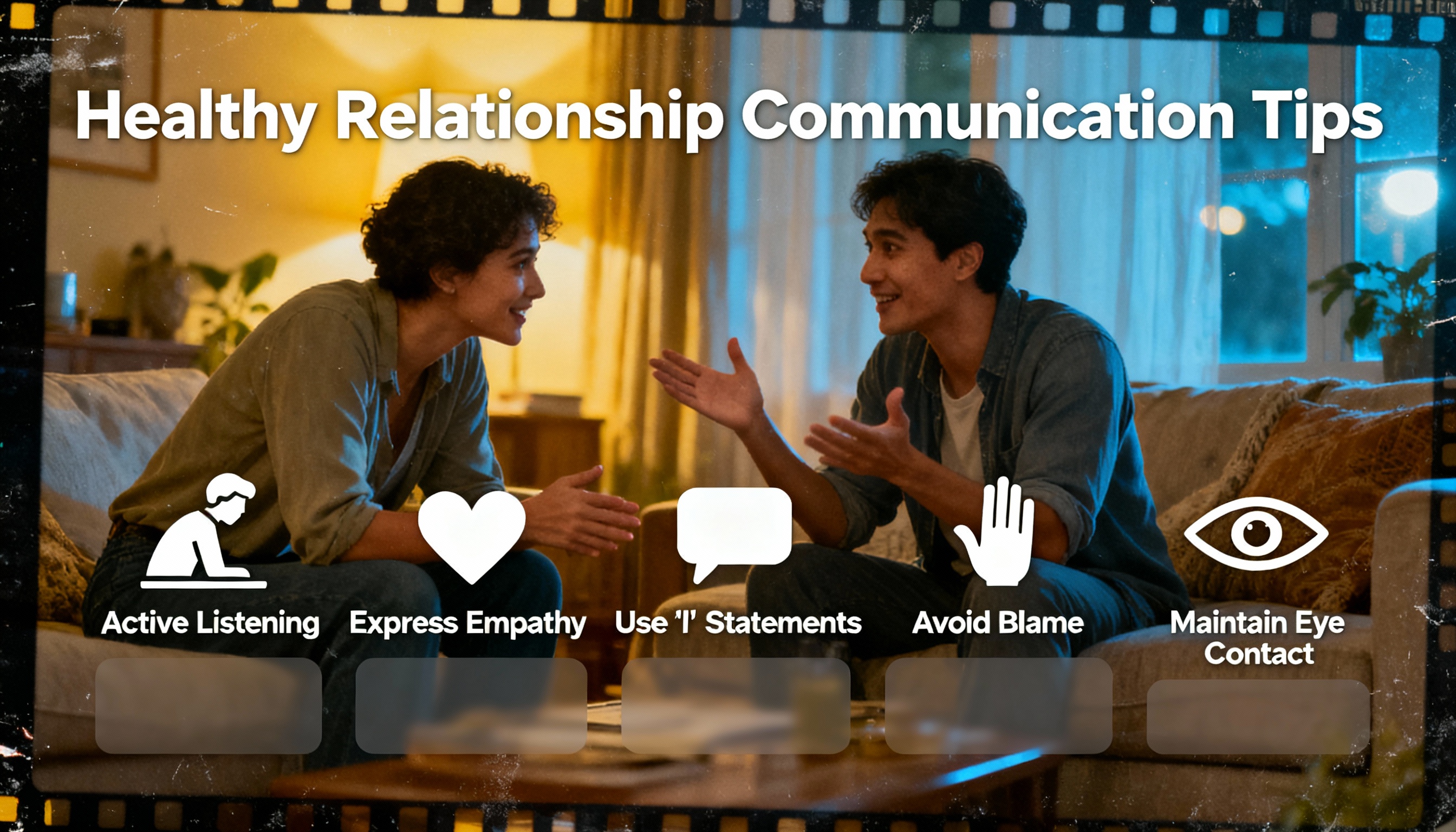
True listening goes beyond hearing words—it involves fully engaging with your partner's message. Put away distractions, maintain eye contact, and focus on understanding rather than formulating your response. Reflect back what you heard to ensure accuracy: "What I'm hearing is..." This validates your partner's experience and prevents misunderstandings.
Using "I" Statements
Express your feelings and needs without blaming or attacking. Instead of "You never listen to me," try "I feel unheard when I'm interrupted during conversations." This approach takes ownership of your emotions while making it easier for your partner to hear your concerns without becoming defensive.
Timing and Context Matter
Choose appropriate times for important conversations. Avoid discussing sensitive topics when either person is tired, stressed, or distracted. Ask "Is now a good time to talk about something important?" This shows respect for your partner's emotional capacity and increases the likelihood of productive dialogue.
Managing Conflict Constructively
Disagreements are normal and can even strengthen relationships when handled well. Focus on the specific issue rather than attacking character. Take breaks if emotions escalate—"I need 20 minutes to calm down" is healthy, not avoidant. Return to the conversation when both partners can engage thoughtfully.
Non-Verbal Communication
Body language, tone of voice, and facial expressions often communicate more than words. Ensure your non-verbal cues align with your message. Crossed arms and eye rolls can undermine even the most carefully chosen words. Conversely, gentle touch or a warm tone can enhance connection.
Expressing Appreciation
Don't reserve communication for problems. Regularly express gratitude, admiration, and affection. Specific appreciation—"I really appreciate how you made dinner when you knew I had a long day"—is more meaningful than generic praise and reinforces positive patterns.
When to Seek Help
If communication patterns feel stuck, couples therapy can provide new tools and perspectives. A therapist can help identify unhelpful patterns, teach specific skills, and create a safe space for vulnerable conversations.
Remember, effective communication is a skill that requires practice. Be patient with yourself and your partner as you develop these abilities together.